
Behind on Your Books? Start Here
If your bookkeeping is behind, the best move is not panic. Here’s how to catch up with a process that feels manageable.
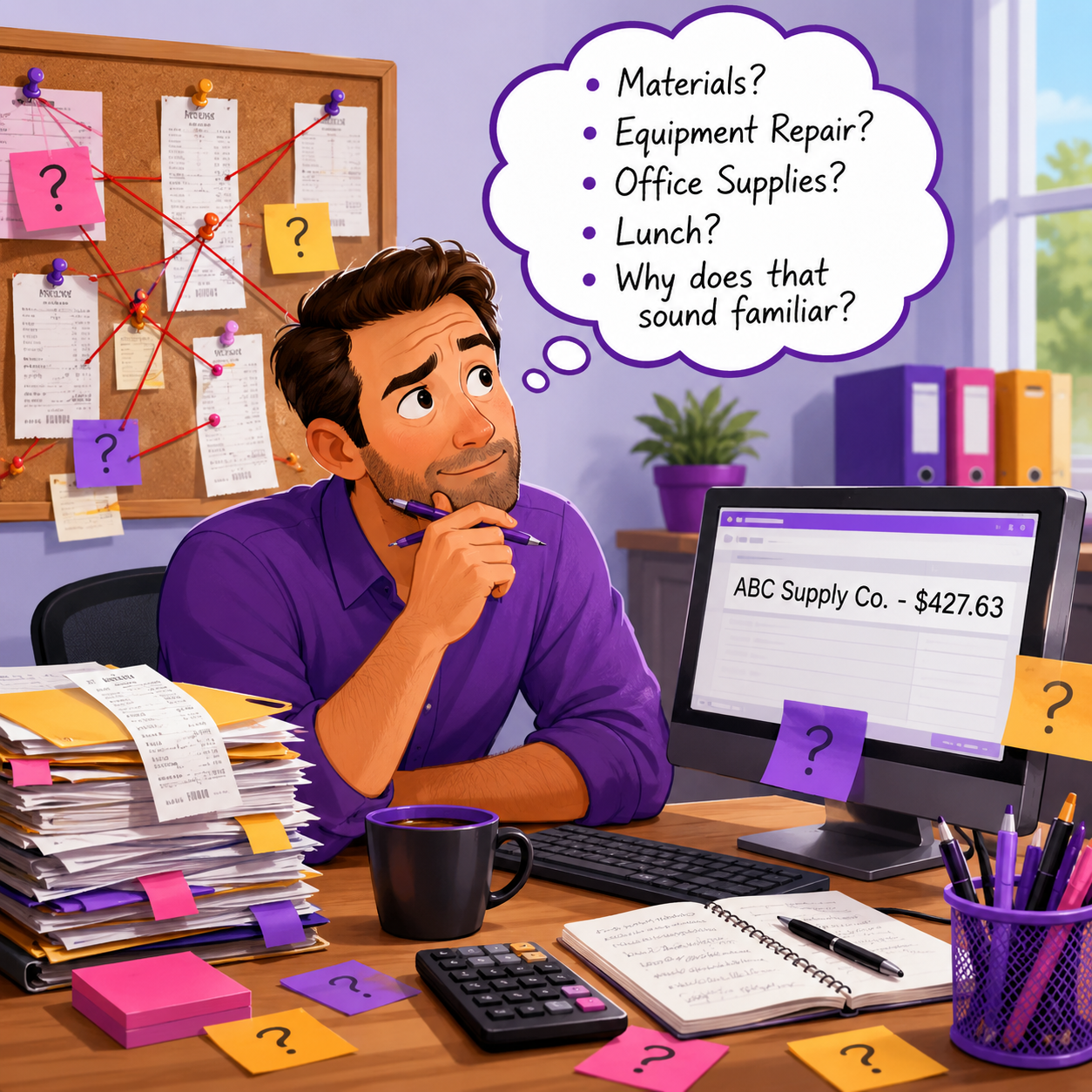
The most expensive phrase in small business might be: “I’ll remember what that charge was for.”
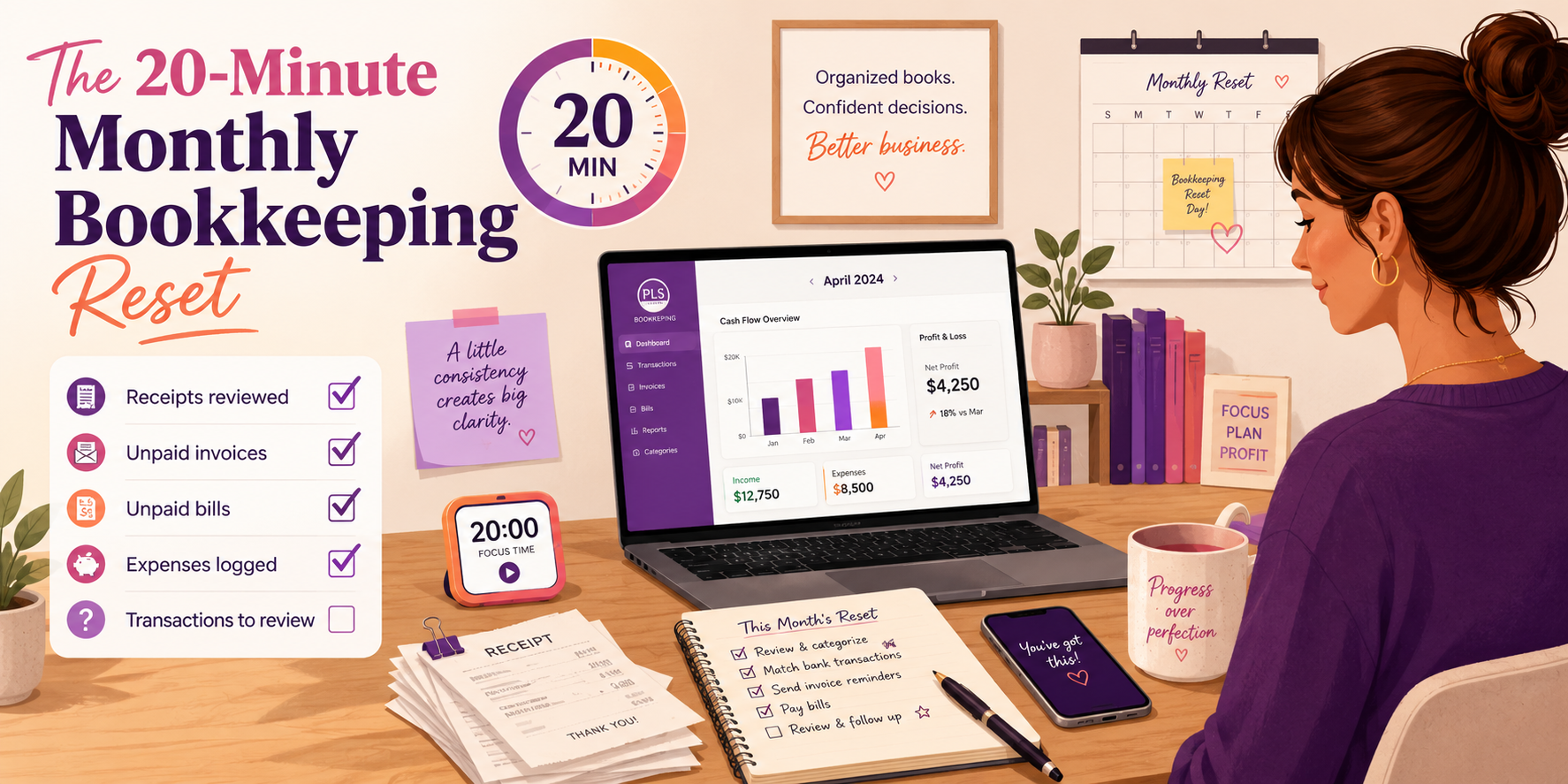
Simplify your bookkeeping with a 20-minute monthly reset. Stay organized, reduce future headaches, a...
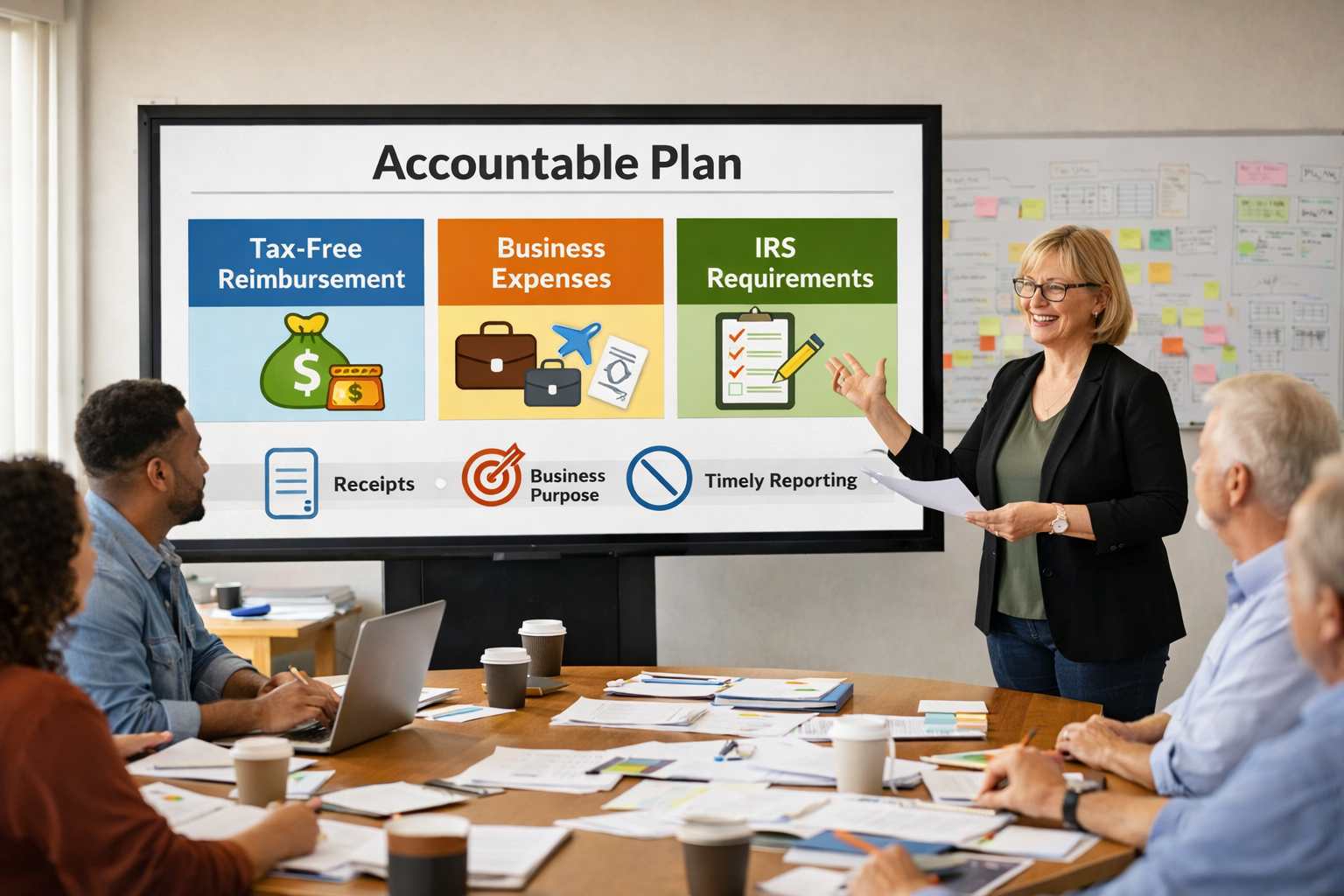
If you or your team ever pay for business expenses out of pocket, an accountable plan may help you h...

Mixing accounts makes your books harder to trust, your tax prep messier, and your business harder to...

Catch-up bookkeeping feels overwhelming, but the right process can turn a pile of backlog into a man...
.jpg)
Messy categories create messy reports. A well-built chart of accounts gives you cleaner financial vi...

When bookkeeping turns into receipts, spreadsheets, and guesswork, better systems can save time, str...
Spas and salons juggle services, products, payroll, and tips, which makes clean, industry-aware book...

Bookkeepers and CPAs play different roles, and expecting one person to do both often creates delays,...

Banking on your bank balance and hoping for the best is not a financial system. Clean books prevent ...